
General receipts: when the slip is the only record
Almost every receipt you have ever been handed was a copy. The till had the data, or the card processor did, or the software did. A general receipt is usually the original and the only, and that single difference changes what it has to carry.
A general receipt is usually the only record, not a copy of one held somewhere else.
Name both parties. Nothing else links the person who paid to the payment.
Say whether it is full or part payment. Silence on that line causes most disputes.
"Received with thanks" is not a description. Name what the money was for.
Number receipts in one running series and keep your own copy of every one.
Choose a template to get started

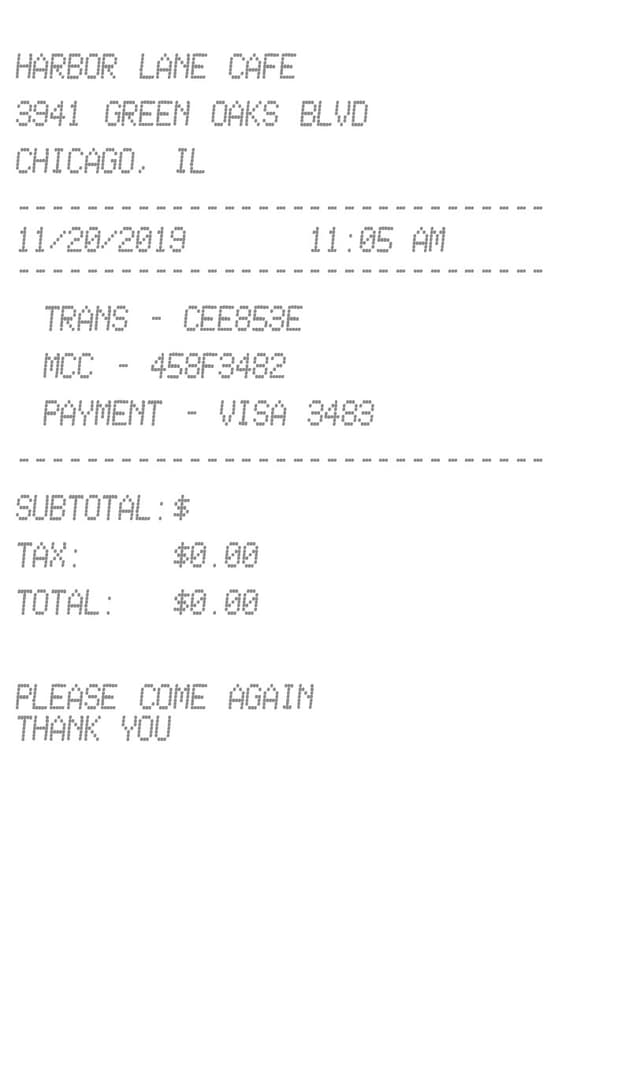
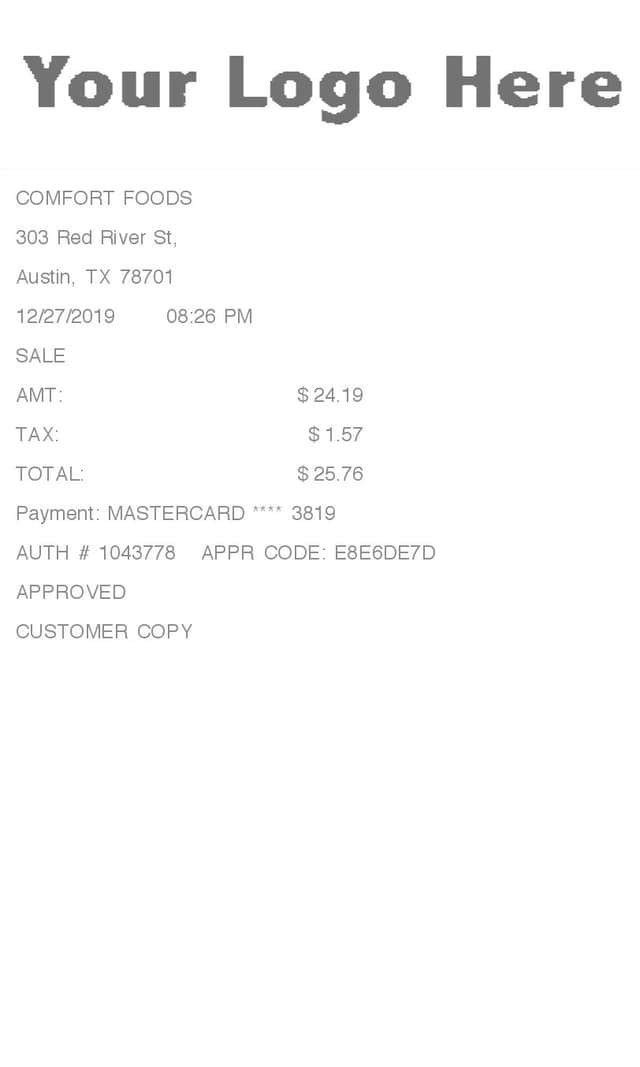
Think about where the information on a normal receipt actually lives. A supermarket slip is a printout of a row in a till database. A card receipt is a printout of an authorisation the processor is holding. An invoice receipt is generated by software that still has the record after the paper is lost. In every one of those cases, losing the receipt is inconvenient rather than fatal, because the transaction exists somewhere else. A general receipt is the case where it does not. Somebody received money, wrote or generated a slip, and that slip is the entire documentary record. Everything that follows comes from that one fact.
When nothing else is keeping the record
A general receipt, sometimes called a generic or money receipt, is the document for a transaction with no system behind it. A one-off sale. A deposit on something secondhand. A payment for a few hours of work. Cash handed over between two people who have no account with each other.
These are not edge cases. They are an enormous share of all transactions, and they are the ones most likely to be argued about later, precisely because no neutral third party is holding the data.
That reframes what the receipt is for. A retail slip proves a purchase to a customer who already knows what they bought. A general receipt has to establish the whole transaction from nothing: who paid, who received, how much, what for, and whether that settles the matter. Leave out any one of those and there is nothing else to fall back on.
Why it has to name both sides
This is the field most handwritten receipts get wrong, and it is the one that costs people money.
A shop receipt names only the shop. It does not need the customer, because the customer is holding the slip and the till holds the rest. A general receipt has no till, so the slip itself is what connects a named payer to a named payment. Without the payer, it proves that somebody paid — which is not the same thing at all.
So print both. Who received the money, with enough contact detail to be found again. And who paid it, by name. For anything substantial, an address or a phone number against each name is worth the two extra lines, because a receipt naming "John" is a receipt naming nobody.
If you are issuing as a business, your own details do a second job: they let the payer verify you exist, which matters a great deal on a deposit. A receipt from a trading name with no address and no number is the shape of a receipt without the function of one.
Saying what the money was for, and whether that is the end of it
Two lines decide whether a general receipt is useful in six months.
The description. "Received with thanks" and "payment received" are not descriptions, they are acknowledgements. Name the thing: the item and its condition, the service and the dates it covered, the period a payment relates to. One specific sentence beats a formal-sounding phrase every time.
Full or part. This is the line almost everyone omits and the one that generates most disputes. A payment can be the whole amount, a deposit against a larger sum, or one instalment in a series, and a receipt showing a figure with no indication of which is an open invitation to disagree later.
So write it explicitly. Total agreed, amount received, balance outstanding. Three numbers instead of one, and the question can never be reopened. Where a balance is due, a due date alongside it costs nothing and settles a second argument before it starts.
For anything made up of several items or several hours, consider an itemized receipt instead. The moment a single total needs explaining, a line-by-line layout does the explaining for you.
| Field | Why it matters | Status |
|---|---|---|
| Receipt number | One running series with no gaps. What lets you prove the record is complete and find a single transaction later. | Required |
| Date received | The date the money actually changed hands, not the date of the agreement or the invoice. | Required |
| Received from | Who paid, by name. The field most handwritten receipts omit, and the one that turns proof-of-payment into proof-of-whose-payment. | Required |
| Received by | Who took the money, with contact detail. Lets the payer verify you exist, which matters most on a deposit. | Required |
| Description | What the money was for, specifically. The item and its condition, or the service and the dates it covered. | Required |
| Amount received | The figure actually handed over. Worth writing in words as well as numerals on a handwritten slip. | Required |
| Full or part payment | Which of the two this is. The single most commonly omitted field and the commonest cause of later dispute. | Required |
| Total agreed and balance due | Where this is a deposit or an instalment. Three numbers instead of one closes the question permanently. | Part payments |
| Payment method | Cash, transfer, card or cheque. Tells a future reader whether anything else corroborates the receipt. | Required |
| Due date for the balance | Where a balance remains. Costs one line and settles a second argument before it begins. | Part payments |
| Tax | Its own line, and only where you actually charge tax and are registered to. Confirm your position with your accountant. | Where it applies |
| Signature or issuer mark | On a handwritten slip, what ties the document to a person. On a generated one, your business details do the same job. | Recommended |
| Reference | An order, job or agreement number where one exists. Connects the receipt to whatever paperwork came before it. | Optional |
The fields, the numbering, and your own copy
A general receipt is short by design, so every field has to earn its place. The core block is the date, a receipt number, both parties, the description, the amount, the payment method, and whether the payment is full or part.
Payment method is more useful than it looks. Cash leaves no trail of its own, so a receipt recording a cash payment is carrying the entire weight alone. A transfer or card payment can be cross-checked against a statement, which means the receipt and the statement corroborate each other. Recording which it was tells a future reader how much the slip is doing.
Numbering is the habit that separates a record from a pile of paper. One running series, no gaps, no restarting for different customers. It lets you prove a sequence is complete, find a specific transaction without reading everything, and spot immediately that something is missing.
Tax only appears if you actually charge it and are registered to do so. A tax line on a receipt from someone not registered creates a problem rather than solving one, and the rules on when registration bites differ by country and by turnover. If you are unsure whether your receipts should carry tax, that is a question for your accountant rather than a template setting.
And keep your own copy. The paper receipt book exists in duplicate for exactly this reason, and a digital receipt should be saved before it is sent, not after. The copy you keep is the half of the record that is yours.
Create a general receipt in four steps
Pick a general layout
Start from a simple or general-purpose template. Your own details carry over between receipts, so you enter them once.
Name both parties
Who paid and who received, with enough contact detail that either could be found again.
Describe it and settle the balance
What the money was for, the amount received, and whether that is the full sum or a part payment.
Save your copy, then send
Export as PDF or PNG and keep your copy before it goes out. The half you keep is half the record.
When a general receipt is the wrong document
Worth being straight about this, because using the general format where a specific one is expected creates work rather than saving it.
- If the money has not been paid yet, you need an invoice. An invoice requests payment, a receipt confirms it, and the two are not interchangeable however similar they look. The difference between an invoice and a receipt is worth five minutes if you have ever used one where the other was wanted.
- If a reader downstream expects a particular format, use it. An expense reviewer, a claims administrator or an auditor is looking for specific fields, and a general receipt that omits them comes back. Expense receipts and itemized receipts exist because those readers exist.
- If the transaction has an industry format, that format is the clearer document. A meal, a journey, a fuel stop, a stay or a prescription all have conventional layouts, and a reader scanning a stack of receipts recognises them instantly. Using the general format for one of those is not wrong, it is just harder to read.
And one genuine limit: a receipt records a payment. It does not transfer ownership, create a warranty, or settle anything beyond the money. For a transaction where those matter, the receipt is one document among several, and the others are not a template question.